
You must have an order with a minimum of $150.00 to place your order, your current order total is $0.00.

 By
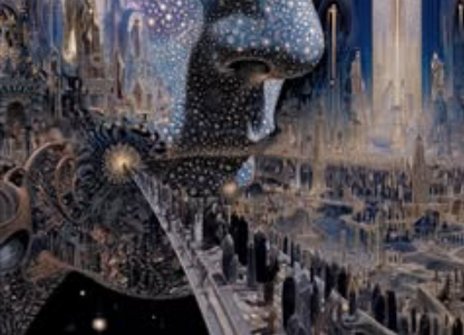
By Symbolism plays a powerful role in how the human mind processes complex emotions and abstract ideas. In both dreams and altered states of awareness, symbolism often becomes the primary language of experience.
Why the Mind Uses Symbols
The conscious mind relies on logic and language, but deeper layers of the psyche communicate differently. Symbols allow the brain to express:
-
Emotional truths
-
Internal conflicts
-
Personal transformation
-
Fear, curiosity, or wonder
This is why dreams rarely appear as straightforward narratives. Instead, they unfold as metaphors shaped by personal memory and emotion.
Cultural Influence on Symbolism
Symbols are not universal. Cultural background, belief systems, and personal experiences all influence how symbols are perceived. A symbol that feels comforting to one person may feel unsettling to another.
Across history, civilizations have developed symbolic systems through:
-
Art and mythology
-
Spiritual traditions
-
Storytelling and folklore
These traditions highlight humanity’s shared curiosity about inner experience, even if interpretations differ.
Understanding Without Over-Interpreting
One common mistake is trying to force meaning onto every symbol. Sometimes, experiences are meant to be felt rather than decoded. Reflection over time often reveals insight naturally, without pressure.
DMT World encourages readers to approach symbolism with openness rather than rigid conclusions.
